Collegeministry.com is now the Baptist Collegiate Network!

For years, Baptist Collegiate Network has equipped college ministry leaders through events and resource websites like CollegeMinistry.com, GospelAppointments.com, and CalledtoMinistry.com. These tools have helped leaders share the Gospel, make disciples, develop leaders, and send students on mission. But we have always been more than a collection of websites. We are network of 1000+ campus and church-based college ministries across the US and Canada working toward the vision of seeing the Gospel go to every college student on every campus. To better reflect who we are and what we do, we have made some changes.

This month, we brought our resources together under one name and one home: BaptistCollegiateNetwork.com.

Baptist Collegiate Network represents more than 800 Baptist campus ministries across the United States and Canada, along with a growing number of churches committed to reaching college students. We believe the college campus is one of the most strategic mission fields in the world and that we are stronger when we pursue that mission together.

Our mission is simple: champion college ministry leaders and give them the relationships, resources, training, and encouragement they need to flourish. Whether serving as a missionary on a university campus or leading college ministry through a local church, we want leaders to know they are part of something bigger.

We believe God has positioned Baptist campus ministries and churches for this moment. Our goal is not simply to build better college ministries. Our goal is to reach a generation with the Gospel, make disciples who make disciples, and send them from the campus to the nations.

The website has changed. The mission has not. So… let’s go forward together and watch what God does!

7 Ways to Build a Great Relationship with Your University

College ministry is unique because most of us are doing ministry on someone else’s campus. Whether you serve at a large public university, a small private college, or somewhere in between, our ability to reach students is often directly connected to the relationships we build with the people who lead and serve that campus.

The good news is that campus ministers can be some of the university’s greatest partners. We care about students. We want them to flourish. We want them to find community, develop as leaders, serve others, and make wise decisions. Obviously, our ultimate mission goes much further—we want every student to hear the Gospel and have an opportunity to follow Jesus. But there are a lot of places where our mission and the university’s goals overlap.

Here are seven ways we can build relationships that allow us to serve the university well while staying faithful to our mission.

1. Learn their Goals and Solve Problems for the University

One of the best ways to become a trusted partner on campus is to help solve real problems. Pay attention to what the university is trying to accomplish and where their staff could use some help. Maybe they need volunteers for move-in, help welcoming international students, meals for a student group, or support for students who might otherwise fall through the cracks. We have students, churches, volunteers, resources, and relationships that can often meet needs the university simply can’t meet on its own. Don’t always start by asking, “What can the university do for our ministry?” Start by asking, “What problem can we help the university solve?” When we consistently bring solutions instead of creating more work, we become the kind of partner they want on campus. At the University of Arkansas–Fort Smith, BCM learned that the university’s Student Retention Office wanted to celebrate first-generation and lower-income students who were graduating. BCM stepped in and helped provide professional cap-and-gown photos for about 40 seniors. It met a real university goal. It also served students well and gave BCM leaders opportunities to build relationships and share the Gospel with several students. What started with understanding the university’s priorities has now become a new partnership they hope will continue for years.

2. Look for Ways to Say Yes

Sometimes campus ministries can develop a reputation for only showing up when we need something. Let’s face it, we do need things from the university like rooms, permission, sometimes funding, a table, or access to students.

Turn that around.

When the university needs volunteers, we need to show up. When they need student organizations to participate in an event, participate. When there is a campus service project, bring people. When Student Life needs help welcoming new students, ask how you can serve. Can we do everything all the time? No. But we can often do more than we are doing. The benefits are tremendous to the college, and it gives us opportunities to meet and engage students and to model for our students what it means to be servant leaders.

We need to be the ministry that college staff and administrators are glad to see coming.

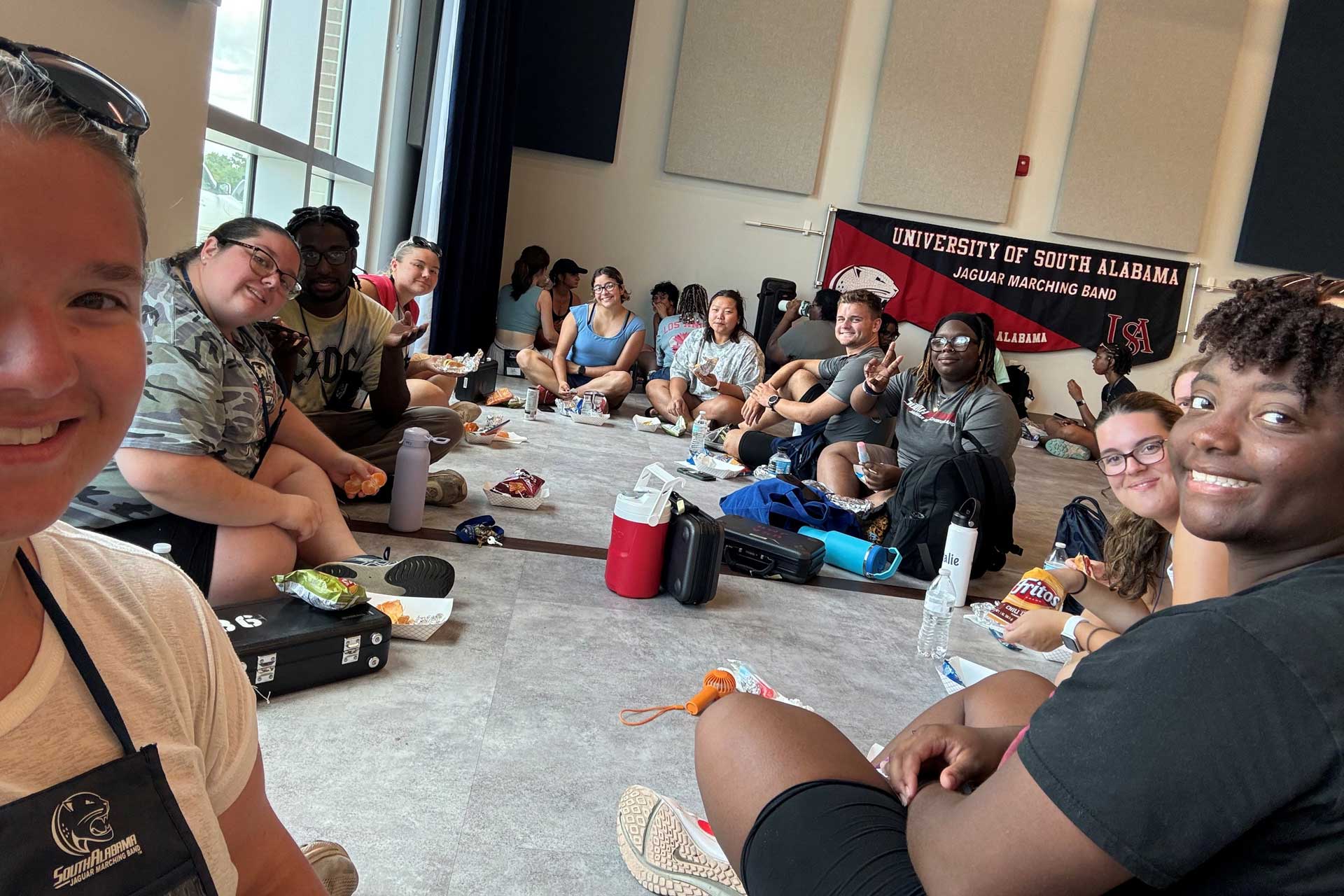
At the University of South Alabama, BCM has built a multi-year partnership with the university’s marching band simply by finding ways to serve. This past year, they recruited four local churches to provide meals during band camp. That relationship also opened the door for the BCM director to lead daily leadership sessions with the band and connect leadership principles with Gospel truth. Sometimes the opportunity to share starts by simply asking, “How can we help?”

3. Bless the People Who Serve the Campus

Student Life staff are people, not gatekeepers.

Learn their names. Ask about their lives. Encourage them. Bring their office breakfast or coffee occasionally. Celebrate their wins. Thank them when they help you.

And do it without always asking for something in return.

Small acts of genuine kindness over time communicate something powerful: We aren’t just here because of what you can do for us. We care about you.

At Tulsa Community College, every Christmas, BCM delivers popcorn baskets and giant student-signed cards to the Student Life staff, facilities team, and campus police. They do this to simply say thank you to the people who make their ministry possible and keep students safe. This year, a janitor was so moved by the appreciation that he later approached a BCM student to thank them. That conversation turned into an opportunity for the student to share the Gospel and pray with him. Sometimes blessing the campus opens doors we could never manufacture on our own.

4. Be Incredibly Easy to Work With

Answer emails. Meet deadlines. Fill out the forms. Follow policies. Clean up the room. Show up when you say you will. Communicate changes.

None of that sounds particularly spiritual, but it matters.

You can have a great ministry vision and lose credibility because you consistently create unnecessary headaches for university staff. Excellence and dependability build trust, and trust creates opportunities.

5. Never Surprise Them

If you are planning something big, unusual, or potentially sensitive, communicate early.

University administrators hate surprises. Their days are filled with challenges and problems to solve.

You don’t have to ask permission for things that don’t require permission, but good partners communicate. When university leaders know that you will keep them informed, handle situations wisely, and address problems quickly, they become much more comfortable working with you.

6. Help Students Become Better Members of the Campus Community

One of the greatest gifts we can give a university is students whose faith causes them to serve rather than withdraw.

Teach your students to love their campus. Encourage them to participate, lead, volunteer, welcome new students, serve classmates, and care about the needs around them.

Imagine the reputation of a ministry whose students are consistently some of the most dependable, generous, welcoming, and servant-hearted people on campus.

That kind of ministry earns a hearing.

7. Think Long Term

Great university relationships are rarely built through one meeting or one event. They are built through years of trust.

Administrators change. Policies change. Presidents change. Student Life staff change. Challenges will come.

Keep showing up. Keep serving. Keep communicating. Keep being trustworthy.

Our goal isn’t simply to maintain access to campus. Our goal is to be such a blessing to the university that they know their campus is better because we are there.

At Valdosta State University, after the university restricted BCM from holding events during the first three weeks of school, there was some understandable friction. But because BCM had already built good relationships with university staff, they kept talking and protected the relationship even when they disagreed. A year later, the university invited BCM to lead an official faith worship service as part of its welcome events—giving them access to university facilities and sound equipment and even allowing BCM’s worship team, branding, and information. They didn’t win every disagreement, but they protected the relationship. Eventually, that relationship opened a door they never could have demanded.

We never compromise the Gospel or our mission in order to gain favor with the university. But wherever their goals and our mission can work together, we should be the first people raising our hands to help.

Because relationships build trust. Trust creates opportunities. And opportunities give us more chances to accomplish what brought us to campus in the first place:

Helping every student have an opportunity to hear the Gospel and follow Jesus.

Chad Stillwell works with Baptist Collegiate Network’s Communication Team, and is also the Collegiate Ministries Director for South Carolina. Follow @sc_bcm on Instagram to see more of what God is doing in South Carolina!

Big Baptisms at Big Woods!

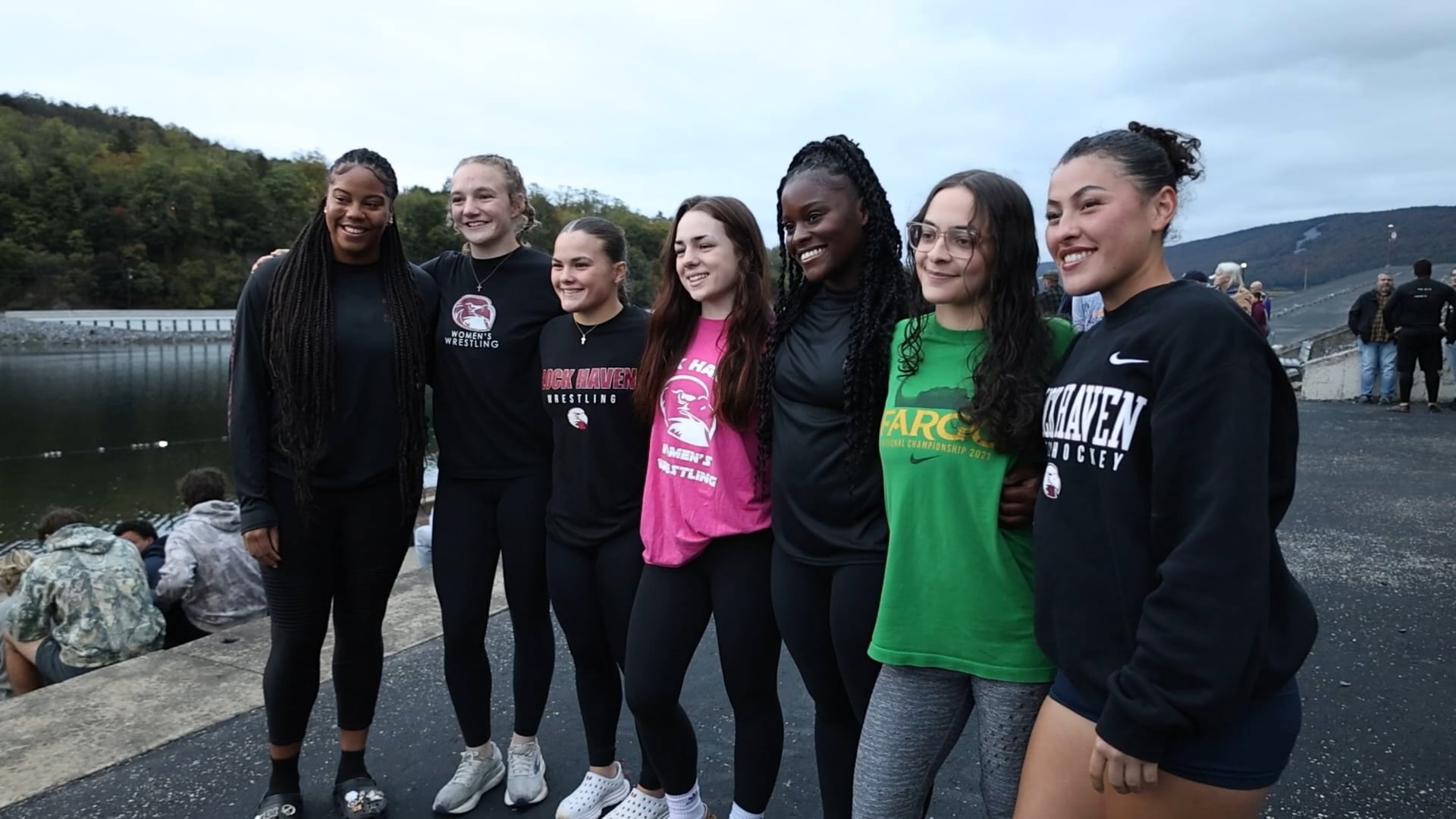
The rain held off and the temperature remained above 60 degrees for Big Woods Bible Church’s outdoor baptisms. Big Woods Bible Church (part of the Baptist Resource Network of PA/SJ) is located in central Pennsylvania near the town of Lock Haven. The church ministers to students at Lock Haven University through their Athletes Bible Study, which is part of the Baptist Collegiate Network. They held a special baptism service at the Lock Haven Beach on the Susquehanna River. At the river, they baptized 19 people; 18 of those being students connected with the church’s college ministry! It was a special moment for Robbie Mays, their Associate Pastor of Campus Ministry, to baptize so many students that had come to faith and been discipled through the church and the college ministry. Praise the Lord for this Harvest and for each one of these brothers and sisters in Christ! Please join us in rejoicing with them and the entire Big Woods family! Check out the video!

The Nations Are Already Here: When the Mission Field Sits Across the Table 

I still remember her face at Washington Square Diner.

We were sharing a meal with a small group of international students from NYU. Around the table were students from Iran, India, China, and Bangladesh. Different countries. Different cultures. Different stories. Different religious backgrounds. All of us gathered in a diner near Washington Square Park, eating together while I was beginning to realize that the nations were not only somewhere across the ocean. They were sitting across the table.

One of the students, a young woman from Iran, began telling me about her faith in Jesus. She was joyful as she talked about how she had come to believe in Him.

She told me about a vivid dream she had. In the dream, she was underwater and unable to breathe. She was drowning. Then Jesus spoke to her. She followed His voice, and she was rescued.

That dream became one of the ways God drew her heart to faith in Christ.

As she told the story, she was not timid or ashamed. She was radiant. She was free. She could breathe. She had life. She had Jesus. There was joy in her face as she described the One who had rescued her.

Later in the conversation, she mentioned her family.

So I asked, “How have they taken the news?”

Immediately, tears welled up in her eyes.

She controlled herself and kept from crying fully, but her cheek began to shake and her voice trembled. With visible grief, she told me, “My father told me to never come home again.”

There are moments in ministry when something moves from your head to your heart. You may already believe something is true, but then a person’s story makes you feel the weight of it. That was one of those moments for me.

I have preached about the cost of following Jesus. I have read the words of Jesus about taking up our cross. I have encouraged people to be bold in their faith. But sitting in that diner across from this young woman, I saw the cost of discipleship through tear-filled eyes.

This was not someone being mocked for her faith. This was not someone being unfollowed on social media. This was not mild awkwardness at a family dinner. This was a young woman who had followed Jesus and experienced the severing of ties with the people who had given her life, raised her, and loved her.

In that moment, international student ministry stopped being a strategy for me.

It became holy ground.

My name is Daniel McGhee. I serve as the New England Collegiate Director for the Baptist Churches of New England and as the New York City Area Director for International Students, Inc. My wife, Kari, and I also serve at NYU as Spiritual Life Advisors, similar to a chaplain role. That means we are able to go on campus, meet with students, build relationships, and be available to students in an ongoing way.

We have been planting churches in New York City since 2011, but somewhere along the way God began moving our hearts toward the nations in a way we had not seriously considered before.

Not nations in the abstract. Not nations as a missions slogan. Nations with names, faces, stories, accents, fears, questions, grief, joy, and dinner invitations.

International students.

For years, I thought about missions mostly in terms of going. Go across the ocean. Go to another country. Go learn another culture. Go share the gospel somewhere far away. And, of course, that call remains beautiful and biblical. But international student ministry has reminded me that sometimes the nations arrive at the airport, move into a dorm, sit in a classroom, and wonder if anyone in this country will ever learn their name.

International students are some of the clearest examples of people Christians have an opportunity to bless. Many move here from countries where they were part of the majority culture, majority ethnicity, and majority language. Then they arrive in a city or on a college campus where suddenly they are the minority in language, culture, customs, food, humor, holidays, assumptions, and even basic systems of daily life.

They are far from family. Far from the food that tastes like home. Far from the people who know their story. Far from the rhythms that once made life feel familiar.

And many of them are young adults in that complicated space between adolescence and adulthood, asking the questions all college students ask: Who am I? What do I believe? What kind of life am I building? Who can I trust? Where do I belong?

But international students carry all of those questions in a foreign land.

They face the normal pressures of college, but with added layers of loneliness, language barriers, visa concerns, financial pressure, and family expectations from across the world. Many are brilliant and courageous. Many will become leaders in their fields. But they are also young adults far from home, trying to figure out who they can trust.

That is one reason Christian hospitality matters so much.

Hospitality is not just being nice. It can become a form of stability, safety, friendship, and gospel witness. It says, “You are not invisible here. You are not just a student ID number. You are not merely a visitor in our country. You are a person made in the image of God, and there is a place for you at our table.”

The opportunity is massive. According to Open Doors 2025, U.S. colleges and universities hosted 1,177,766 international students during the 2024–2025 academic year. NYU alone reported 27,532 international students in 2024–2025. I had heard that number before and honestly thought it sounded made up until the university confirmed it. There are more international students at NYU than there are people in many entire towns in my home state of Arkansas. In New England, the need and opportunity are also enormous. Massachusetts alone has more than 82,000 international students, giving it one of the largest international student populations in the country.

But the numbers are not the point.

The numbers simply tell us how many stories are walking around our campuses.

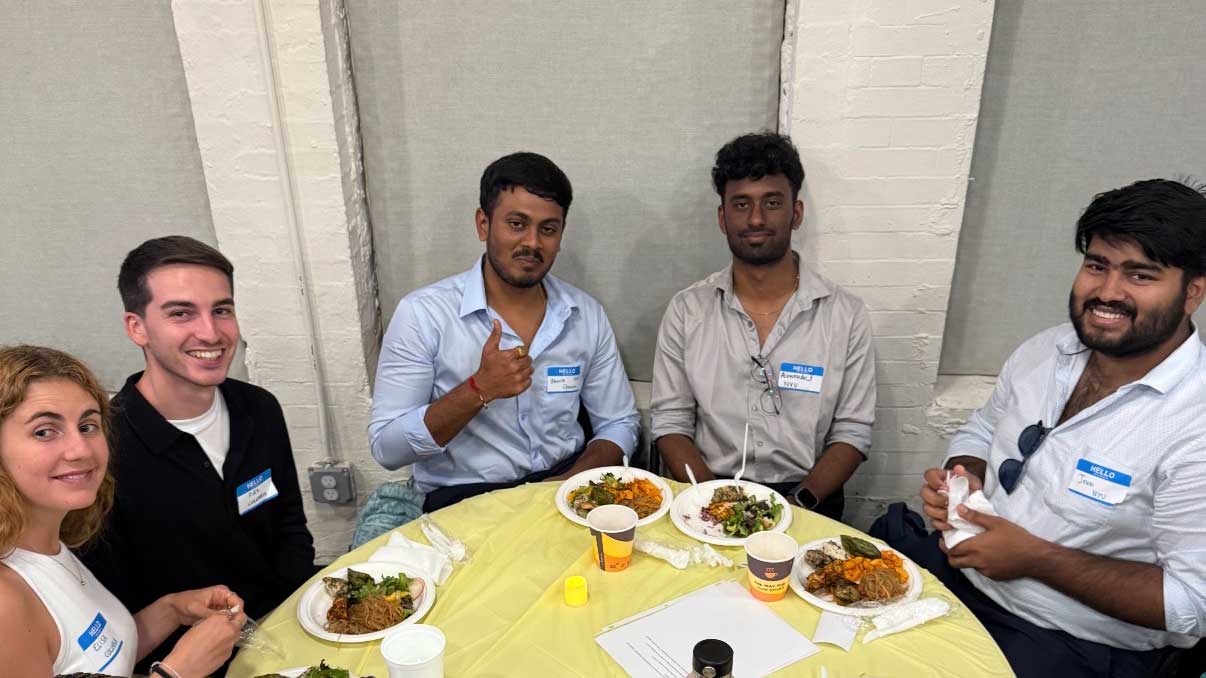
One of the ways we have seen this need up close is through Connect NYC, a dinner we host collaboratively with four other international student ministries in New York City. The purpose is simple: create a special meal and a fun, welcoming night designed only for international students.

At Connect NYC, students share dinner around round tables. They play icebreaker games and get to meet one another. The highlight of the night is a 10- to 15-minute TED Talk-style presentation designed to capture students’ attention and connect with where they are in this season of life. The topics are thoughtful, relevant, and always spiritual. They speak to things like adjusting to a new culture, navigating change, finding belonging, making wise choices, and considering how the decisions we make in this season can shape the rest of our lives.

After the talk, each table has a facilitator who helps guide the conversation. The goal is not to pressure students, but to create space where they can talk honestly, ask good questions, hear from one another, and consider deeper spiritual realities.

It is designed for community. It is designed so students do not have to remain lonely or isolated. It is designed to help them find a place where they are seen, welcomed, and invited into meaningful conversation.

At one of our first Connect NYC dinners of the semester, a young woman from China named Mei came for the first time. She enjoyed it so much that she came back the next week.

At an event with 60 to 80 students, it can be hard to remember every name. I was in work mode that night, trying to make sure everything was moving, people were welcomed, details were handled, and conversations were happening. Sometimes ministry can start to feel like work, even when the work is good.

Then Mei walked up to me with a huge smile and said, “Hi, Daniel! It’s so good to be back!”

In that moment, God slowed me down.

I had to glance at her name tag to remember her name, but she remembered mine. More than that, she was happy to be back. She was happy to see me and Kari. She was happy to return to a place where she had felt welcomed.

And suddenly, the event was not just an event anymore. It was not just logistics, tables, food, games, and discussion questions. It was Mei, far from home, finding a place where she could belong.

I shared that moment of joy with her, because I really was glad she was back too.

That is what international student ministry often looks like. Sometimes it is a life-changing conversation in a diner. Sometimes it is Mei returning to dinner with joy because someone welcomed her and gave her a place to come back to.

Those two moments have stayed with me.

One student from Iran, joyful in Jesus and grieving what it cost her.

One student from China, smiling because she had found a place where she wanted to return.

Both reminded me that international student ministry is not theoretical. It is deeply personal. It is not first about programs, platforms, or strategies. Those things matter, but they are not the heart of it. The heart of it is a student sitting across the table. A student remembering your name. A student wondering whether they belong. A student asking spiritual questions. A student far from home who may be more open to friendship, faith, and family than we realize.

Behind every statistic is someone learning how to navigate a grocery store, understand a classroom discussion, read a lease, find a doctor, make friends, and decide what they believe about God. Behind every statistic is someone who may spend Thanksgiving alone unless someone invites them in. Behind every statistic is someone who may be curious about Jesus but has never had a Christian friend they trusted enough to ask.

One of the simplest and most powerful ways we can love international students is through hospitality.

And hospitality does not have to be complicated.

Invite students to dinner. Pick them up from the airport. Help them understand public transportation. Explain how tipping works. Invite them to your church. Take them apple picking. Include them in a Thanksgiving meal. Give them somewhere to go during Christmas break when the dorm feels empty and flights home are too expensive. Ask them about their family, their country, their fears, their hopes, their studies, and their faith.

But hospitality is not a one-way street.

One of the most meaningful ways to welcome international students is not only to cook for them, but to invite them to cook for you. Ask them to make the comfort food they miss from home. Let them teach you about the spices, the smells, the stories, the holidays, and the family memories connected to that meal.

Sit in your own kitchen as the learner.

Ask questions. Listen. Laugh. Let them explain what their mother or grandmother used to make, what food they ate during celebrations, and what tastes like home when home feels far away.

In those moments, students are not simply receiving hospitality; they are offering it. They are sharing dignity, culture, memory, and love. The table becomes more than a place to feed someone. It becomes a place where friendship grows and the image of God in every culture is honored.

This matters because international student ministry is not about making people our projects. It is about becoming friends. It is about seeing people as God sees them. It is about recognizing that the Great Commission is not only fulfilled through platforms and programs, but also through ordinary Christians opening ordinary homes and making room at ordinary tables.

Many of us pray for the nations. That is good. We give so missionaries can go to the nations. That is good. We send teams across the world. That is good.

But what if, in addition to going to the nations, we also recognized that God has brought the nations near?

What if every Baptist collegiate ministry saw international students as part of its mission field?

What if every Baptist church near a campus asked, “Who is far from home, and how can we become family?”

What if Thanksgiving tables, airport pickups, coffee conversations, Bible studies, and home-cooked meals became small acts of gospel witness?

What if churches stopped waiting for a perfect program and simply started with a meal?

The first step does not have to be impressive. It may be as simple as learning the names of international students already connected to your campus. It may be partnering with an existing international student ministry. It may be asking your church members to host students during school breaks. It may be helping a student practice English. It may be inviting a student to share their story with your small group. It may be creating space for honest questions about Jesus.

International students do not need us to be experts in every culture. They need us to be humble, curious, generous, and faithful. They need people who will listen more than they lecture. They need people who will honor their family stories, even when those stories are complicated. They need people who will show the love of Christ before they try to explain everything about Christianity.

And some of them, like the young woman from Iran, are paying a price for following Jesus that should humble the rest of us.

I still think about her joy. I think about the way she described Jesus rescuing her. I think about the freedom on her face when she told me she could breathe. And I think about her tears when she told me what it cost.

I think about Mei, walking back into the room the next week, smiling because she had found a place where she was glad to return.

I think about how easy it would be for students like them to feel alone in this country, alone on campus, and alone in the deepest parts of their lives.

And I think about how powerful it is when the people of God become family.

That is what hospitality can do. That is what collegiate ministry can do. That is what local churches can do.

The nations are already here. They are studying on our campuses, walking through our cities, sitting in our classrooms, and wondering if anyone will welcome them.

May we be the kind of people who do.

May we see the students God has brought near.

May we open our homes, our tables, our calendars, and our hearts.

And may international students discover, through the love of Christ’s people, that even far from home, they are not forgotten by God.

Daniel McGhee is the NYC Area Director for International Students Inc. and the Protestant Spiritual Life Advisor for Global Spiritual Life, NYU. You can follow NYC International Students on Instagram @nycinternationalstudents and Daniel @danieltmcghee.

Operating Out of the Box: How a Decade-Old Gift Transformed My Campus Ministry

Everyone loves getting those cardboard packages on the porch. Just this week, our household received and opened up boxes containing a gymnastics bar, a Door Buster big-screen TV, and a new skateboard (to replace the one that unfortunately got run over by my neighbor, Dave). On each of these occasions, we eagerly waited for delivery, immediately ripped open the box, and began to assemble and use the contents. My daughter loves the gymnastics bar, my son loves the skateboard, and we’re all enjoying the TV we figured we’d never buy—until the price got so low that we thought, why not?

Most of the time, we know these boxes are coming because we ordered them. But every now and then, we get one that comes as a total surprise. It’s a gift.

Maybe you, like me, have received surprise gifts at work from the seminaries, agencies, etc…. T-shirts, coffee mugs, pens, stickers, and books. They are all fun boxes to receive, even if they don’t really change your life long-term. But, about a decade ago, I received a gift at work that was—and is—intended to help me be the best I can be at my job.

The Gift with No Cardboard

It didn’t actually come in a physical box. But from my perspective, it was framed as a container of sorts.

It was a framework of essentials for Baptist Collegiate Ministries (BCMs), along with a directive to design a strategy for my specific campus context. Metaphorically speaking, this box of essentials was addressed to me, and it came from our state BCM leader Cris Lowery.

Let me tell you about this “box”, what it contains, and how operating out of it has made me a better leader on my campus. It boils down to three things:

  • It contains my priorities.
  • It has opened up my possibilities.
  • It has helped me prepare to maximize our potential.

1. It Contains My Priorities

First of all, the framework tells me what to do. It might be hard to admit, but rules and guidelines are what make games and sports fun. Our ability to operate within these lines is exactly what allows us the opportunity to participate in the game. We are a missionary organization, and that makes me a missionary to the people on my campus.

Our Core Priorities
To represent Oklahoma Baptist churches by establishing and maintaining good relationships with the people at the University of Tulsa, in order that I may be allowed year after year to recruit students to join me, develop them as leaders, and together share the gospel and make disciples on our campus and beyond. This is a clear, thoughtful, and targeted set of priorities.

2. It Opens Up Possibilities

Along with this focused set of priorities, I was challenged to consider the possibility that we might engage more broadly than we currently were. At the time, we were engaging 1–2% of our student body. The new challenge? Engage 10% on our way to every campus, every life.

This would only be possible if we prayed, planned, and prepared for the potential. It challenged my assumptions and prompted me to begin asking radically different questions. I could no longer focus solely on building a tight-knit, insular community. We had to extend ourselves broadly and commit to meeting hundreds of people who weren’t currently on our radar—and on whose radar BCM didn’t exist. Plus, as you know, we’d have to do this with an entirely different rotation of people every 3 to 4 years.

What a compelling challenge! What would that look like on your campus?

3. Maximizing Our Potential

I’d love to tell you in detail how the process has gone from that day to this, but, let me offer a summary of how I have come to enjoy operating out of this box.

I am really helped by living simply. To do that, I regularly ask myself and our team these two questions:

Question 1: What do we NEED to do?  Thankfully, the box tells me the big-picture essentials. From there, I’m always evaluating who is with me, what we are currently doing, and what we need to do next.

Question 2: How can we enjoy accomplishing that with excellence? Once we know what we need to do, we can focus on doing things we actually enjoy. This connects us with the people who are our purpose, opening up the possibility to maximize our potential at TU.

For me and my team, leaning into what we enjoy looks like a lot of different things:

  • Food and Hospitality: I enjoy cooking and hosting community meals and treats, in-season and out of season. That means Summer dinners, Monday lunches, and Men’s and Ladies’ lunches. We even bought a shaved ice machine!
  • Sports: I love athletics and naturally enjoy being an encouragement to student-athletes.
  • International Ministry: I love welcoming internationals and sharing the good news with those who’ve never heard it before—lately, especially the graduate students.
  • Leadership Development: I want to lead leaders whenever possible. This allows me to partner with others who can use their unique passions to meet even more people.

The Bottom Line

As a result of opening this box and operating within it, the return on investment has been incredible. This semester alone, we have been blessed to have a one-time direct impact with over 30% of our student body, and an ongoing impact with around 10% of campus every single week.

The strategic plan will look different in your context, with your students, on your campus. But our fundamental priorities remain exactly the same. We all got the same box. Let’s keep operating out of it—or maybe today is the day to recommit to challenging our assumptions, asking different questions, and working together to truly engage every campus and every life.

Brandon Brister is the BCM Director at the University of Tulsa. You can reach him at bbrister@oklahomabaptists.org. You can also follow him on IG @brandonbrister and the ministry @tulsabcm.

Beach Reach 2026: Stories of God Working!

We love hearing the stories of what God has done at Beach Reach! It is exciting to hear the stories of how God has moved, and it continues to be exciting as these students return home, ready to engage their own campuses with the Gospel. Below are a few stories from students who attended Beach Reach at Panama City Beach and South Padre Island:

Panama City Beach

Beach Reach was really impactful for me. One of the most encouraging parts was seeing so many people my age living on mission. Meeting students from different BCMs across Arkansas and watching them all share the same passion and love for missional work was awesome. It was powerful to see people our age fully committed and giving up their break to work and serve others. At the same time, it was also hard to witness the brokenness that was all around us. Seeing so many people living for the world and searching for fulfillment in things that won’t last was honestly heartbreaking. But that’s exactly why what we do is so important. It reminded me that we can’t just stay comfortable in our everyday routines. There’s a world out there that needs the gospel, and we are called to go and share it. Something else that really stuck with me was seeing the power of prayer and the power of the gospel firsthand. You could actually see people thinking deeply about what we were sharing—their minds were turning as they processed it. It was a reminder that our role is simply to be faithful and plant the seed. We can’t change hearts or save anyone—only God can do that. Just getting to be a small part of that was really meaningful, and it’s something I’ll carry with me moving forward. Jordan, Weevil BCM (University of Arkansas at Monticello) This was my second year serving at Beach Reach, and something I kept noticing through conversations is that so many spring breakers are just looking for fulfillment, but they’re trying to find it in the world, and it’s not satisfying them. That gave me the chance to share how I’ve found my fulfillment in God. I think one of the best parts about Beach Reach is that we’re their peers and we’re not preaching at them, just having real conversations, getting to know them, and sharing the Gospel naturally. One of the most impactful conversations I had was with a girl who said she was agnostic. After talking for a while, she asked why I was so happy just talking with her instead of being out at the bars on my spring break. That opened the door for me to share how much God loves us, how He sent His Son to die for us and raised Him on the third day, and how that love fills me with so much joy. After talking more, she ended up giving her life to Christ. Moments like that are why Beach Reach means so much to me. – Serena, Meridian Community College BSU, Mississippi

South Padre Island

I went into this trip trusting that God was preparing hearts, but one moment made that especially clear. One night, a group of football players got on our van, and a guy named Tommy started asking me how to study the Bible and what I thought about fasting and Catholicism. He kept saying he wanted to hear from God. He seemed deeply troubled, struggling with doubt and uncertainty about his future, and was searching for ways to hear God more clearly. I asked why he was so desperate to hear from God, and he shared how distant God felt and how unsure he was about what was ahead. I related to that and encouraged him that his questions were actually evidence that God was already working in his heart. I reminded him that God is always with him, even when He feels far, and that He speaks through His Word and invites us to come to Him. As we talked and I prayed for him, he got teary-eyed. It was a powerful reminder that God had been stirring his heart and then brought him onto our van at just the right moment to hear the truth about Jesus. – Laney Hall, West Texas A&M University While on Beach Reach, the Lord used me to lead two people to Himself. Whether or not this faith they professed has taken root or not, I do not know; however, I do have full confidence that, as they have heard the Gospel of our Lord, nothing save hardened hearts can stand in the way of their being saved and baptized. At the very least, I count it a blessing that, regardless of what outcome these two choose for themselves, the Lord gave me the opportunity to effectively share the Gospel and to serve Him in that. The Scriptures say that, in our weakness, God’s strength is revealed in us, and that is precisely how the Lord chose to work in me. Upon the two nights that these two conversions occurred, I was at a low point. The first of these nights, day four of Beach Reach, I was under an immense amount of spiritual attack and was pushed beyond any personal strength to endure, yet the Lord showed me grace. Having shown me His grace in this, the Lord then proceeded to use me, in this point of weakness, to share the Gospel with this young man, Cole. During the second of these nights, the fifth and final day of Beach Reach, my voice began to go, yet the Lord again showed His strength as He used my breaking, croaking voice to share the Gospel one last time upon the very last van ride of the night. Although I could not properly speak, the Lord got the Gospel across to this young man, Louis. I was weakened, yet the Lord still chose to use me. He is pretty awesome. And that is an understatement. – Timothy, University of Texas at Dallas BSM

BCM kicks off fall semester with gospel-fueled welcome events

Baptist Collegiate Ministry (BCM) is kicking off the fall semester of ministry with gospel-fueled, welcome week events on campuses across the state.

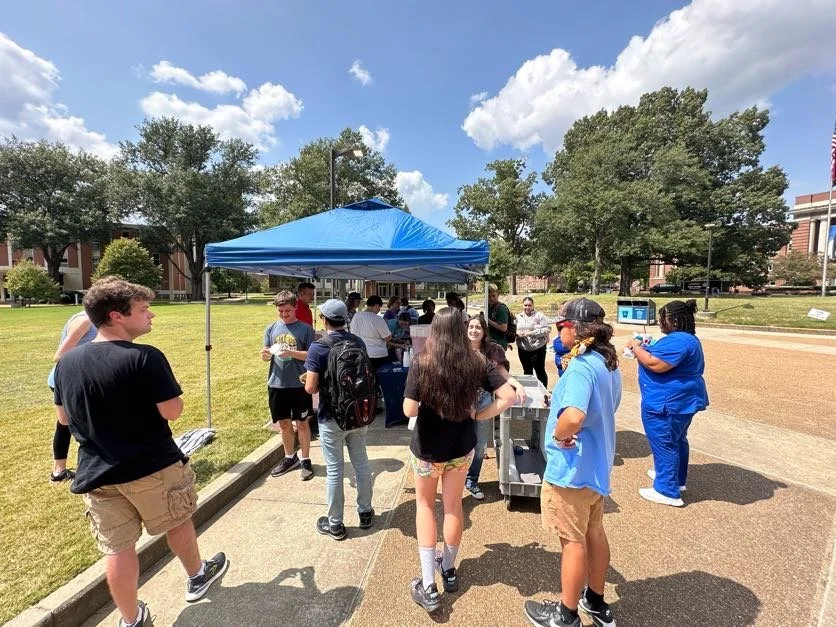
In Little Rock, the BCM kicked off the school year with a jam-packed welcome week. They started with an ice cream social, where they saw over 130 unique individuals connecting with others inside their BCM building on campus.

The next night, Little Rock BCM held its annual Baggo Bash on campus, where they saw over 250 individuals gather to connect with others and compete for prizes. Following that was their first BCM Collective service of the semester. They had 108 students gather on the Tuesday night before classes started and reported multiple responses to receive Jesus.

Little Rock BCM Campus Minister Matt Stubbs said the following Tuesday was even larger with 133 total students gathered and two more individuals responding to surrender their lives to Jesus.

Stubbs called campus ministry “the most strategic mission field on the planet.”

“College students from all around the state, the country, and globe are being brought to the campus for what they believe to be their ‘purpose.’  They will try and find their purpose in a sport, a relationship, a major, a job, etc.  As campus ministers, we get the privilege and opportunity to show them that their true purpose is to know Jesus and make Jesus known for the rest of their lives,” he said. “Campus ministry does not merely have a momentary impact, but an eternal impact.”

At University of Arkansas in Monticello (UAM) they had 108 students attend their first fall worship service. In Magnolia, South Arkansas University had 92 attend their first worship service of the semester. During its first service of the school year, University of Arkansas in Fort Smith (UAFS) welcomed 107 students in attendance with five showing interest in following Jesus.

The BCM at Arkansas Tech University (ATU) had 140 students attend its first worship service of the fall semester.

ATU BCM Campus Minister Adam McCampbell said their main events happen on the first three days of classes. They partnered with First Baptist Church in Russellville for a welcome party, where students came to play games and win giveaways. They also broke into Community Groups that night for students to have a chance to meet the BCM’s Community Group leaders. Another event they hosted is their annual BCM Luau. They had nearly 80 freshmen at this event.

To finish off the week, they went to the top of Mount Nebo, where Caleb Reynolds of First Baptist Church in Dover led worship as they watched the sunset. They had nearly 90 attend this year.

Since the beginning of the semester, McCampbell said the gospel has been shared broadly on campus and at BCM. They have seen four salvations and have several others wanting to rededicate their lives.

“Arkansas Tech BCM’s goal is to mobilize students to serve. We have nearly 40 leaders this year, this semester, and everything we do, they lead,” McCampbell said. “It is awesome to see students giving up hours to serve for the purpose of reaching other students.”

This semester, ATU BCM is partnering with Church in the Dirt for what they are calling “Project 1121.”

“Our vision for this is coming from Acts 11:21. We are asking students to pray every day at 11:21 for God to move and stir the hearts of those far from Jesus on campus. Our goal is to share the gospel with every student on campus this fall by Nov 21 – there are around 2,500 students on the campus of Arkansas Tech,” McCampbell said. He said they have ordered about 3,500 bracelets with the King’s Way witness on them for the students to give out and share 1 Corinthians 15:3-4.

“We have found that for our students, this has been very helpful in getting them to have gospel conversations,” he said.

In Northwest Arkansas, University of Arkansas BCM had 275 students for their first service with 103 first-time guests and many indications of wanting to talk further about following Jesus. Arkansas State University (ASU) had 156 in the room for worship for its first worship service of the semester, the highest in 10 years.

Henderson State University BCM engaged in 15 gospel conversations throughout welcome week events, invited over 300 students to BCM events, and reported 11 students who have indicated that they would like to know more about a personal relationship with Jesus Christ.

University of Arkansas at Pine Bluff (UAPB) welcomed 80 students to a BCM lunch. They received 35-40 first time guest cards and heard from 20 people who want to know more about following Jesus. South Arkansas Community College in El Dorado had over 50 attend its first ever BCM lunch meeting.

At Conway BCM, they saw 420 students at their first Collective service of the fall, including 180 freshmen, and reported two salvations. They hosted multiple events leading up to the worship service including a carnival on campus, where multiple churches were involved, as well as a lawn party.

Conway BCM Campus Minister Thomas Guinee said campus ministries are incredibly valuable. From a campus perspective, he said campus ministries help with retention.

“Often, we see that a student who does not connect anywhere as they come to campus is a student that often times drops out or goes home. Getting involved in places like campus ministries is a significant part of why many students stay on campus,” Guinee said.

From a BCM perspective, the Lord is working through campus ministries at the universities. “Students are encountering the gospel and lives are changed as a result,” Guinee said. Campus ministries also provide leadership opportunities. He said they “want to be the very first people who are willing to give a student an opportunity to lead.”

“We see a lot of students who are able to step into their giftings or are able to lead for Christ in what they’re doing on campus,” Guinee said. “Not only does the Lord use them to change the lives of others but those leadership opportunities truly help them step forward and grow in their faith with Jesus as well.”

These are just some of the ways BCMs are already making a Kingdom impact on campuses in Arkansas this fall.

On Sept. 19-21, BCMs from all around the state will gather at Camp Paron for their annual Fall Retreat. Stubbs said it “will be a tremendous time of worship, teaching, and fellowship all weekend long.”

“Students may come to know Jesus, and leaders will be equipped to be the hands and feet of Jesus back on campus and all over the world,” he said.

Each week, BCMs meet throughout the state in university spaces, ABSC-owned ministry buildings or in local churches, with one purpose: to give every student the opportunity to encounter Jesus and experience life. By enabling the work of BCM, Arkansas Baptists are engaged in ministry to the most strategic place on earth – the college campus.

Greek Night at Langston Baptist: Why Greek Life Should Be On Your Ministry Radar

If you lead college ministry and have not yet stepped into Greek Life, you could be missing one of the most connected and influential communities on your campus.

Fraternities and sororities are more than social clubs. They are close-knit, tradition-rich groups that shape campus culture, drive service projects, and influence the rhythms of student life. That makes them both a challenge and an incredible opportunity for the gospel.

Langston Baptist Church’s College Ministry in Conway, South Carolina, recently embraced that opportunity by hosting a Greek Night that drew more than seventy students from Sigma Phi Epsilon and Phi Sigma Sigma at Coastal Carolina University. The plan was simple: create a welcoming space, share a meal, and start honest conversations. The result was powerful. Twenty-four students indicated they wanted to follow Jesus, take a step toward baptism, or explore faith further.

How the Night Unfolded

The evening began with Chick-fil-A and open tables, making it easy for students to relax and connect. Along the way, leaders handed out resources, including study Bibles. For some, it was the first Bible they had ever received.

A short teaching on Biblical community set the tone for the rest of the night. Then came a live question-and-answer session where students anonymously submitted their questions. The questions were personal, honest, and sometimes raw. Leaders responded with Scripture, grace, and real-life application. It shifted the night from something people were attending to something they were part of.

Things wrapped up with “Cookies and Conversations,” a chance for small group discussions where relationships could take root. This unhurried ending allowed ministry leaders to connect on a deeper level with students who may have never walked into a church before.

Why Reaching Greek Life Matters

One Greek student can influence an entire chapter. These organizations are already built around community, shared experiences, and loyalty. When the gospel takes hold in one member’s life, it has the potential to ripple outward quickly.

Yet the reality is that many Greek students will not walk into a ministry event on their own. Their schedules are full. Their social calendars are packed. Some have had negative experiences with Christians or simply assume faith is not for them. This is why going to them or creating something designed with them in mind matters so much. Langston Baptist did not wait for them to come. They extended personal invitations, built a night that felt like theirs, and made sure the welcome was genuine.

Lessons for Ministry

Building a Greek outreach is less about a perfect program and more about intentional presence. Relationships come first. Learn what matters to them, show respect for their commitments, and offer something that adds value to their lives. Create environments where questions are encouraged and honest conversation is normal. Be ready for the follow-up since personal connections after an event often matter more than the event itself.

Thinking Like a Waffle

If you picture your campus as a pancake, you imagine one big flat space where everyone is basically the same. A campus is more like a waffle. It has pockets that represent subcultures with their own identity and rhythms. Athletic teams, student government, music groups, and Greek chapters are all different pockets. Reaching the campus means being intentional about entering those pockets one at a time. Langston’s Greek Night worked because it targeted one specific pocket with purpose and care.

The Bigger Picture

Greek Night was more than a one-off event. It was a model for how a ministry can focus on a specific campus community and build real connections that point to Jesus. Imagine what could happen if more ministries committed to stepping into these pockets, not just for one night but for the long haul!

When that happens, you might find yourself in a room full of fraternity brothers and sorority sisters wrestling with questions of faith, perhaps for the first time, and beginning a journey toward life in Christ.

Chad Stillwell is the Evangelism Team Leader and Collegiate Ministries Director for South Carolina.

As the World Cup Begins in America, College Students Are Showing How Soccer Can Open Doors for the Gospel

The World Cup has officially arrived in the United States. For the next several weeks, the globe will be captivated by the beautiful game. Stadiums will roar with excitement, nations will hold their breath, and legends will be made on the pitch. But long before the first whistle ever echoed across an American stadium, God was already at work. A passionate group of college students from South Carolina had the privilege of witnessing a far greater victory than lifting a golden trophy—they saw God move powerfully, using the sport as a tool to save souls and help a church reach and connect with their community.

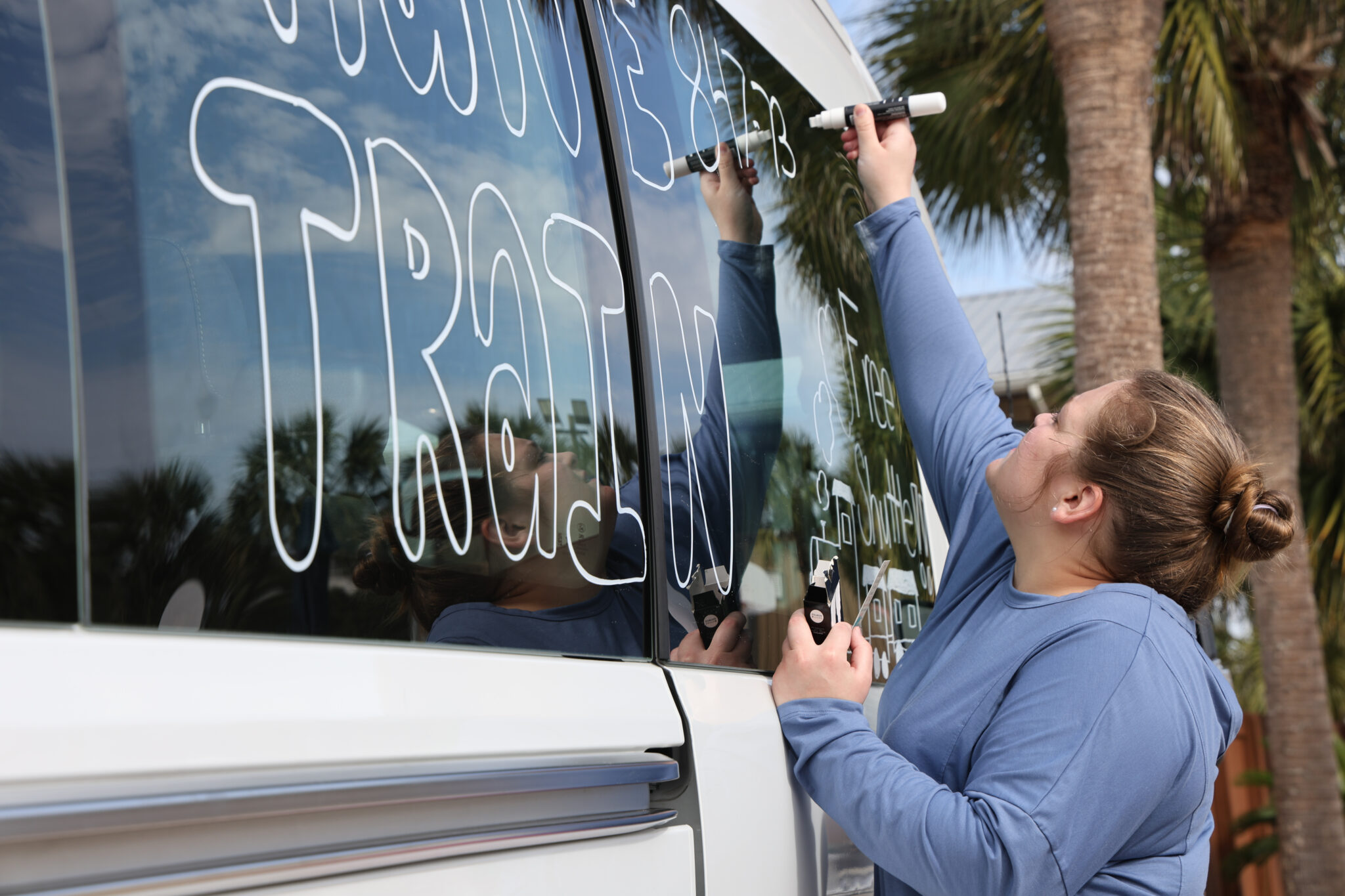
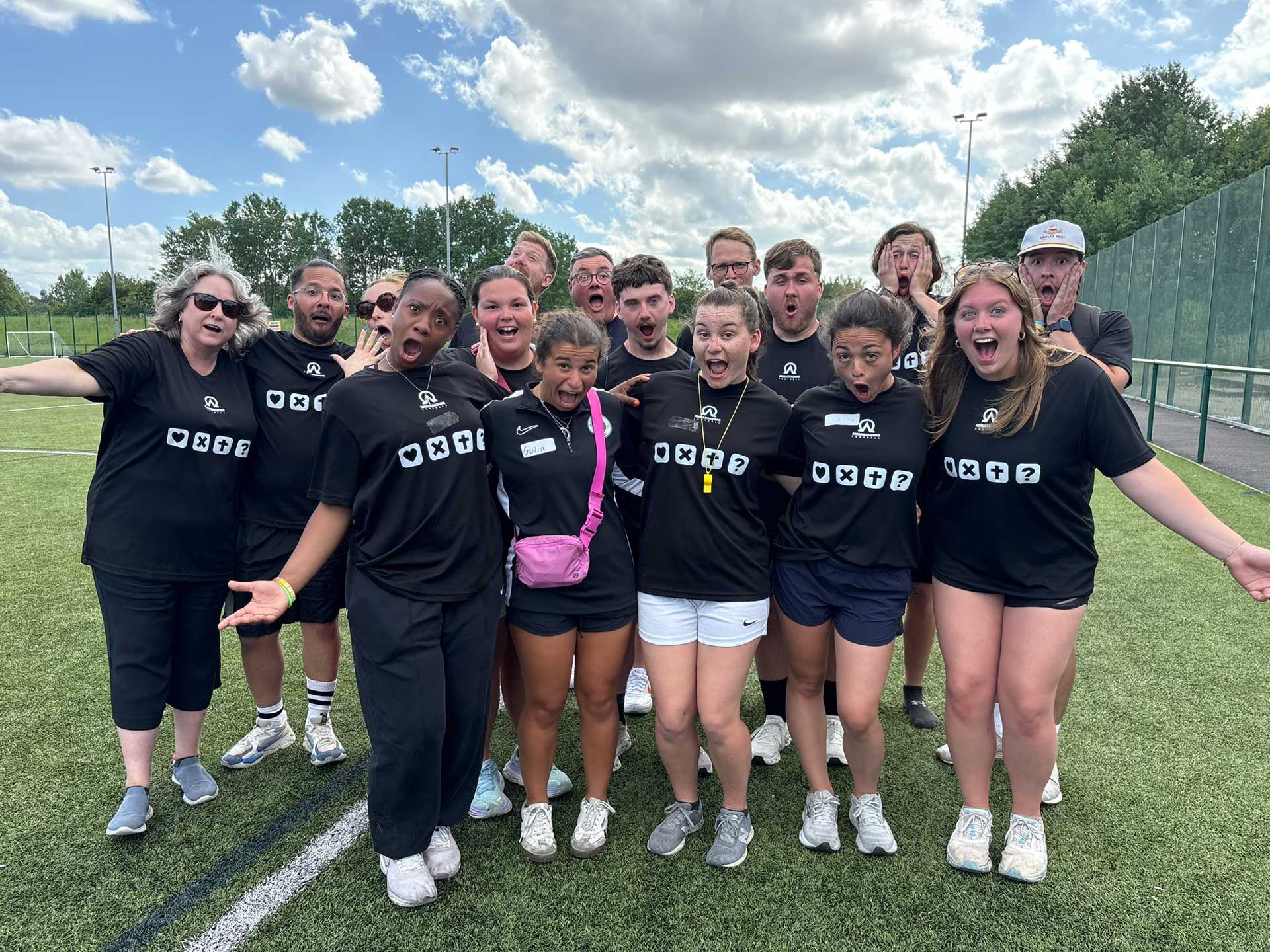
In late May, the Lord led ten students from South Carolina BCM to travel on mission to Manchester, United Kingdom. Partnering alongside IMB missionary Kris Kuriger, dedicated British believers, and Trinity Church Manchester, this team didn’t just cross an ocean; they stepped into divine appointments orchestrated by God. Their primary mission field? A neighborhood soccer pitch beating in the heart of one of Europe’s most legendary soccer capitals.

In Manchester, it’s not just soccer. It’s football. And football is the absolute lifeblood of the city. It dictates the rhythm of the week, shapes deep-rooted community identity, and dominates daily conversations. Knowing this, God masterfully took the very pulse of the city and used it as a brilliant bridge for His Gospel.

The Lord worked through the South Carolina BCM team as they joined forces with a local British church and an IMB missionary to host a dynamic football outreach camp for neighborhood children. As the student volunteers ran drills, cheered on every child, and forged authentic relationships, the Holy Spirit opened doors to share the ultimate story of love. By using the profound narrative of Abraham and Isaac, they illustrated a Heavenly Father who willingly sacrificed His only Son for our salvation.

God’s impact was nothing short of miraculous. Hearts were softened by His grace, and right there at the soccer camp, the Lord drew four individuals to make life-altering decisions to follow Christ!

Igniting a Generation

But God’s transformative work didn’t stop with the local community; He was actively igniting the hearts of the American college students, too. Tyra, one of the students serving on the trip, watched the Holy Spirit move in real-time.

“One way I’ve seen God move on this trip in Manchester is seeing kids who were not interested in Christ having questions and becoming curious about Christ,” she shared, her faith renewed by the raw spiritual hunger God was awakening.

This is the beating heart of collegiate missions: God using students who are available and willing to go. 

Across the Baptist Collegiate Network, the Lord is raising up a generation of students. Guided by His Spirit, they are dedicating their spring breaks, sacrificing their summers, and giving their absolute best through Baptist collegiate ministries, local churches, state conventions, Send Relief, NAMB, IMB, and other vital mission partners. From the bustling streets of North American cities to remote, unreached corners of the globe, God is sending these students into places of deep spiritual need.

Through the power of the Holy Spirit, these young adults realize they do not need to wait until after graduation to fulfill the Great Commission. God is sending them now. Their leaders are helping them recognize that their campus years are not a mere “waiting room” for future obedience. When students are intentionally discipled, equipped, and surrendered to God’s will, He uses their open hands and willing hearts in extraordinary ways.

Collegiate leaders are helping students understand that they are not just preparing for life after college. They are following Jesus now. They are not merely future church leaders. They are present-day witnesses.

Deep Conversations and Breaking Barriers

Beyond the football pitch, the Lord guided the team as they partnered with Trinity Church Manchester to reach out to Muslim families in the northern part of the city. The students witnessed the Holy Spirit empowering local believers to love their neighbors. Students were blessed to partner with church members who themselves give time each week to genuine conversations and intentionality to share the Gospel. One member, an 80-year-old retired nurse, uses her time each week to share the Gospel with people who have little access to the Good News of Jesus Christ.

Justin, another student profoundly impacted by the trip, watched God crumble walls through honest, spiritual dialogue.

“I have seen God move in amazing ways,” Justin testified, “and one of those ways is having people coming from a Muslim background who have never been to church asking deep theological questions about Jesus and wanting to really seek Him and learn more about Him.”

IMB missionary Kris Kuriger emphasized that God has made Manchester a profoundly strategic training ground for college students, offering immediate impact.

“One of the benefits of coming to the UK is there’s no language barrier, so you can jump right into ministry,” Kuriger noted. Yet, the spiritual hunger is immense. “Most of the UK is less than two percent Christian now,” he urged. “It is an opportunity for Christian students to come and actually reach the least of these, and so we want to invite you as a college student to join in with what God is doing.”

Ready for His Call

Through Baptist collegiate groups, God is actively helping students discover their divine calling in this global mission. For some, He uses a single, one-week trip to shatter their worldly perspective and open their eyes to His global heartbeat. For others, God uses a summer assignment to forge an unbreakable courage to witness as they learn to rely on Him in a new city.

As the World Cup dominates screens across America, millions will celebrate the world’s game. But in Manchester, God allowed a team of South Carolina college students to see the Creator of the universe use a simple sport to open eternal doors. They saw God love children through time spent around a football. They rejoiced as the Holy Spirit called four souls from darkness into light.

The Lord has made the college generation ready. He is equipping them to serve, giving them the hunger to go, and preparing them to carry the Gospel from their campus quads to the nations. The only question that remains is whether churches, ministries, and leaders will continue to partner with God by boldly calling them, training them, and sending them out into the world He so desperately loves.

Chad Stillwell is the Evangelism Share Team Leader and Collegiate Ministries Director for the South Carolina Baptist Convention.

See What is Happening in Houston! 

Spurring One Another On

Several years ago, a group of young men at UH began meeting regularly for a men’s Bible study. Week after week, they gathered in our building or somewhere on campus to read Scripture, pray, and share life together. This past fall, some of those same men felt led to pursue deeper accountability and spiritual growth.

At our January leadership retreat, our male staff met with these student leaders and asked what they hoped to see in ministry to men. From those conversations, accountability groups were formed for any men who wanted to participate. Now, each week, these small groups meet to pray for one another, encourage one another, and engage in evangelism together.

It has been a gift from the Lord to watch these followers of Jesus step up and intentionally invest in their relationships with God and with one another, seeking to “spur one another on toward love and good deeds.” After just one semester, we are already seeing the fruit of their faithfulness and intentionality in the spiritual growth and maturity of our young men.

Watching Expectantly

“UH BSM, this is Shannon.” “Hello, is there a priest there that I could meet with?” “No, but I am a minister, and I’d be happy to meet with you.”

That was how I first met a wonderful Iranian student I’ll call M.

M came to my office, and we spent a couple of hours getting to know each other and hearing her story. Week after week, she returned. She was not a believer, but she was open to conversations about faith. She described herself as someone who had once been atheist but now considered herself agnostic. During our conversations, I would share stories from Scripture that related to her circumstances, and we would close our time together in prayer.

Toward the end of the semester, life became especially difficult for M. The demands of her academic program intensified, while concerns for her family grew as tensions escalated in Iran.

Around that same time, another ministry in Houston, Global Gates, was hosting a group of gap-year interns. They hoped to connect with Iranian students during their four days in Houston in order to build friendships, learn more about Iranian culture, and create opportunities to share their faith. Kevin reached out to ask if I knew any Iranian students who might be interested.

M was one of the first people I texted. A few days before the event, she met with Kevin to hear more about the plans for the week. In the end, M not only attended herself but also connected five other Iranian students to the group.

The evenings were filled with conversation, shared testimonies, cultural exchange, dancing, games, and genuine friendship. At the end of the week, M texted, “I had an amazing time with my new friends, and I miss them already.”

I continue to watch with great expectation as the Lord works in M’s life. It has been a privilege to walk alongside her patiently, trusting God to continue drawing her to Himself.

Old Into New

Rose came to college with a Christian background, but during her freshman year, she began drifting from her faith. Through Instagram and campus platforms, she started seeing information about the BSM. She wanted to check it out, but she was hesitant. What if the group was strange or overly intense? She noticed that the BSM regularly hosted coffee outreach on campus and thought that might be a low-pressure way to connect.

One morning, while walking through the student center, Rose saw students giving away free coffee. She grabbed a cup and walked away, but after a few steps, she realized this was the very group she had been wanting to meet. She turned around, went back to the table, and met Moriah and Ashley.

Ashley, who leads the Freshman Bible Study, invited Rose to come check it out, and she decided to give it a try. After meeting the group, Rose told the leaders, “Wow, y’all are cool Christians.” That moment became the beginning of Rose diving fully into community and discipleship.

Rose soon started attending free lunch gatherings, where one of our staff members, Hannah, who also co-leads the Freshman Bible Study, had the opportunity to hear more of her story. During one of those conversations, Rose shared that she had previously accepted Christ but wanted to be baptized again because her first baptism had been forced on her. This time, she wanted it to be her own decision and expression of faith.

At our final worship gathering of the semester, we were able to celebrate that step with her baptism. Rose invited several of her non-Christian friends to attend. When asked to share her confession of faith, she said, “I am ready to take the Lord with me through all walks of life and turn the old into new.”

Shannon Lambert is the Student Minister for BSM at the University of Houston. Follow the ministry on Instagram @uhbsm.