College ministry is unique because most of us are doing ministry on someone else’s campus. Whether you serve at a large public university, a small private college, or somewhere in between, our ability to reach students is often directly connected to the relationships we build with the people who lead and serve that campus.
The good news is that campus ministers can be some of the university’s greatest partners. We care about students. We want them to flourish. We want them to find community, develop as leaders, serve others, and make wise decisions. Obviously, our ultimate mission goes much further—we want every student to hear the Gospel and have an opportunity to follow Jesus. But there are a lot of places where our mission and the university’s goals overlap.
Here are seven ways we can build relationships that allow us to serve the university well while staying faithful to our mission.
1. Learn their Goals and Solve Problems for the University
One of the best ways to become a trusted partner on campus is to help solve real problems. Pay attention to what the university is trying to accomplish and where their staff could use some help. Maybe they need volunteers for move-in, help welcoming international students, meals for a student group, or support for students who might otherwise fall through the cracks. We have students, churches, volunteers, resources, and relationships that can often meet needs the university simply can’t meet on its own. Don’t always start by asking, “What can the university do for our ministry?” Start by asking, “What problem can we help the university solve?” When we consistently bring solutions instead of creating more work, we become the kind of partner they want on campus. At the University of Arkansas–Fort Smith, BCM learned that the university’s Student Retention Office wanted to celebrate first-generation and lower-income students who were graduating. BCM stepped in and helped provide professional cap-and-gown photos for about 40 seniors. It met a real university goal. It also served students well and gave BCM leaders opportunities to build relationships and share the Gospel with several students. What started with understanding the university’s priorities has now become a new partnership they hope will continue for years.
2. Look for Ways to Say Yes
Sometimes campus ministries can develop a reputation for only showing up when we need something. Let’s face it, we do need things from the university like rooms, permission, sometimes funding, a table, or access to students.
Turn that around.
When the university needs volunteers, we need to show up. When they need student organizations to participate in an event, participate. When there is a campus service project, bring people. When Student Life needs help welcoming new students, ask how you can serve. Can we do everything all the time? No. But we can often do more than we are doing. The benefits are tremendous to the college, and it gives us opportunities to meet and engage students and to model for our students what it means to be servant leaders.
We need to be the ministry that college staff and administrators are glad to see coming.
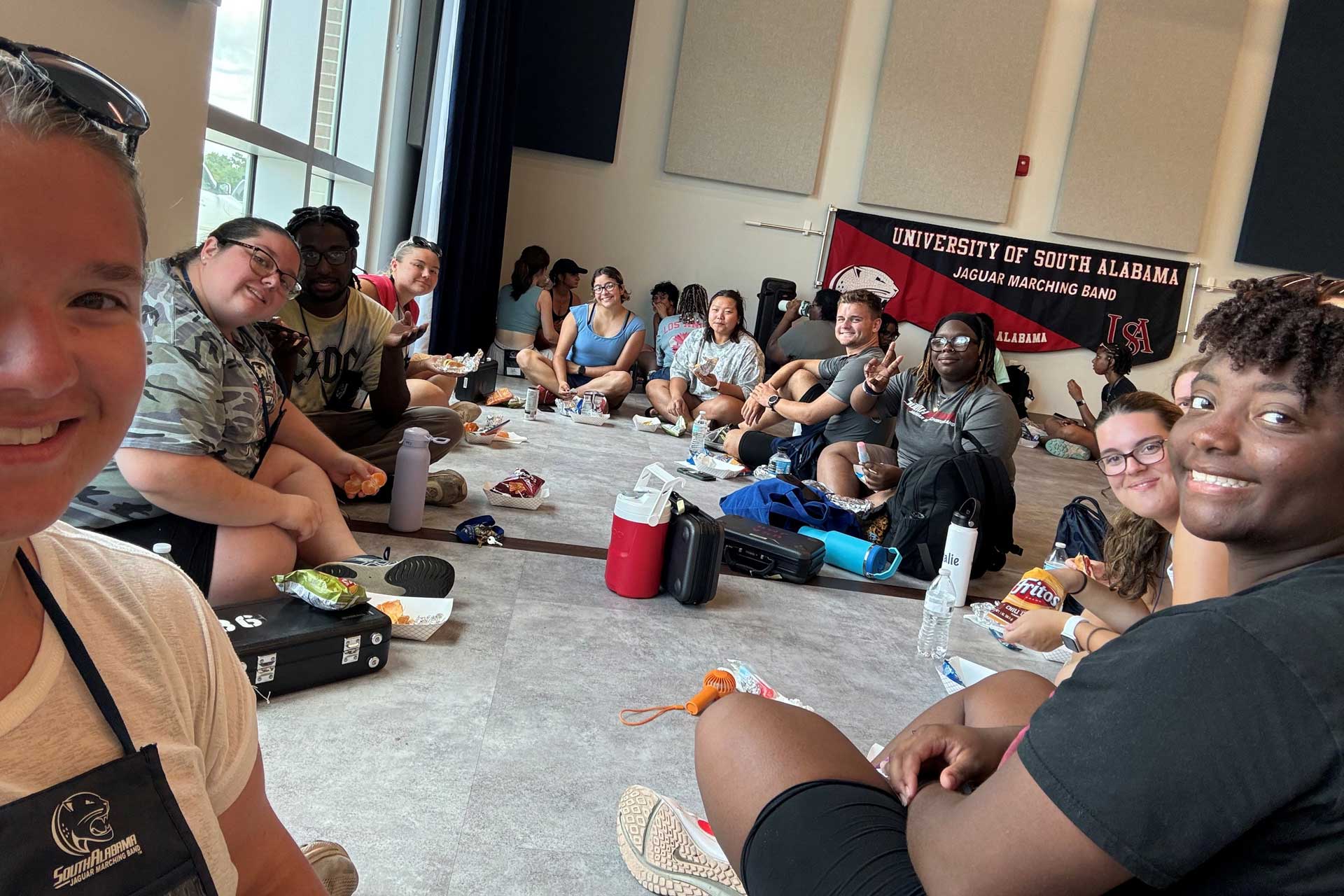
At the University of South Alabama, BCM has built a multi-year partnership with the university’s marching band simply by finding ways to serve. This past year, they recruited four local churches to provide meals during band camp. That relationship also opened the door for the BCM director to lead daily leadership sessions with the band and connect leadership principles with Gospel truth. Sometimes the opportunity to share starts by simply asking, “How can we help?”
3. Bless the People Who Serve the Campus
Student Life staff are people, not gatekeepers.
Learn their names. Ask about their lives. Encourage them. Bring their office breakfast or coffee occasionally. Celebrate their wins. Thank them when they help you.
And do it without always asking for something in return.
Small acts of genuine kindness over time communicate something powerful: We aren’t just here because of what you can do for us. We care about you.
At Tulsa Community College, every Christmas, BCM delivers popcorn baskets and giant student-signed cards to the Student Life staff, facilities team, and campus police. They do this to simply say thank you to the people who make their ministry possible and keep students safe. This year, a janitor was so moved by the appreciation that he later approached a BCM student to thank them. That conversation turned into an opportunity for the student to share the Gospel and pray with him. Sometimes blessing the campus opens doors we could never manufacture on our own.
4. Be Incredibly Easy to Work With
Answer emails. Meet deadlines. Fill out the forms. Follow policies. Clean up the room. Show up when you say you will. Communicate changes.
None of that sounds particularly spiritual, but it matters.
You can have a great ministry vision and lose credibility because you consistently create unnecessary headaches for university staff. Excellence and dependability build trust, and trust creates opportunities.
5. Never Surprise Them
If you are planning something big, unusual, or potentially sensitive, communicate early.
University administrators hate surprises. Their days are filled with challenges and problems to solve.
You don’t have to ask permission for things that don’t require permission, but good partners communicate. When university leaders know that you will keep them informed, handle situations wisely, and address problems quickly, they become much more comfortable working with you.
6. Help Students Become Better Members of the Campus Community
One of the greatest gifts we can give a university is students whose faith causes them to serve rather than withdraw.
Teach your students to love their campus. Encourage them to participate, lead, volunteer, welcome new students, serve classmates, and care about the needs around them.
Imagine the reputation of a ministry whose students are consistently some of the most dependable, generous, welcoming, and servant-hearted people on campus.
That kind of ministry earns a hearing.
7. Think Long Term
Great university relationships are rarely built through one meeting or one event. They are built through years of trust.
Administrators change. Policies change. Presidents change. Student Life staff change. Challenges will come.
Keep showing up. Keep serving. Keep communicating. Keep being trustworthy.
Our goal isn’t simply to maintain access to campus. Our goal is to be such a blessing to the university that they know their campus is better because we are there.
At Valdosta State University, after the university restricted BCM from holding events during the first three weeks of school, there was some understandable friction. But because BCM had already built good relationships with university staff, they kept talking and protected the relationship even when they disagreed. A year later, the university invited BCM to lead an official faith worship service as part of its welcome events—giving them access to university facilities and sound equipment and even allowing BCM’s worship team, branding, and information. They didn’t win every disagreement, but they protected the relationship. Eventually, that relationship opened a door they never could have demanded.
We never compromise the Gospel or our mission in order to gain favor with the university. But wherever their goals and our mission can work together, we should be the first people raising our hands to help.
Because relationships build trust. Trust creates opportunities. And opportunities give us more chances to accomplish what brought us to campus in the first place:
Helping every student have an opportunity to hear the Gospel and follow Jesus.
Chad Stillwell works with Baptist Collegiate Network’s Communication Team, and is also the Collegiate Ministries Director for South Carolina. Follow @sc_bcm on Instagram to see more of what God is doing in South Carolina!