
Missions Fundraising Made Simple

Are you familiar with the phrase “Where God guides, God provides”? Maybe some of us are too familiar with this phrase – to the point that we overlook the Scriptural truth of this statement. In Matthew 6, Jesus taught his disciples to not worry about their needs and how they would be met. Using the example of birds not storing food away for coming days, he says “and yet your heavenly Father feeds them. Are you not more valuable than they?” (Matthew 6:26). Then Jesus gifts the disciples this promise: “But seek first his kingdom and his righteousness, and all these things will be given to you as well. Therefore, do not worry about tomorrow, for tomorrow will worry about itself. Each day has enough trouble of its own.” (Matthew 6:33-34). What a promise to which we can cling! We must wrestle with this truth ourselves, and then encourage students to rely on the Lord for provision as they live on mission, whether they’re graduating and figuring out next steps or fundraising for a missions opportunity. 

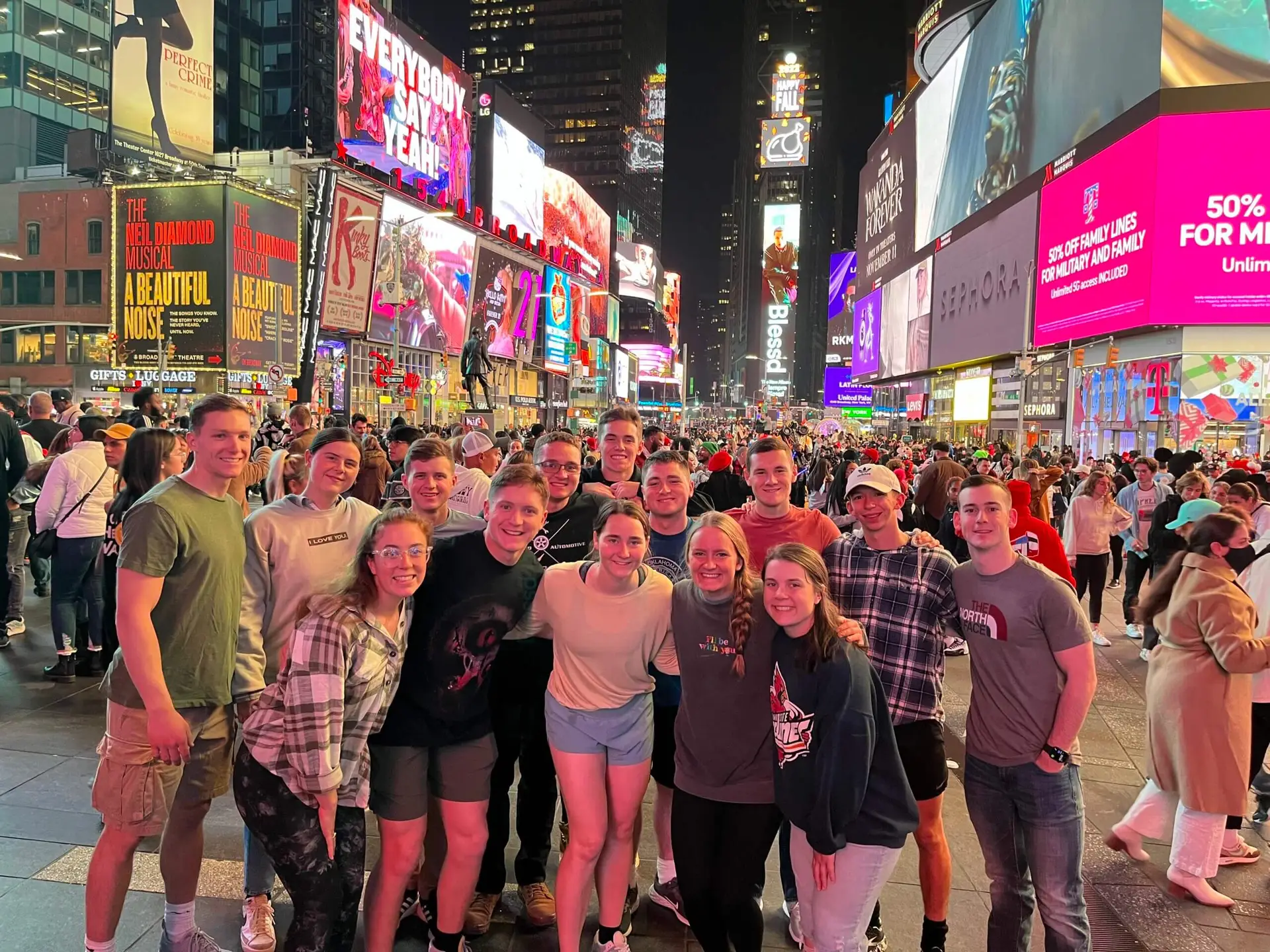
Here are a few simple missions fundraising tips:

  • Share about your missions opportunity on social media. If security allows for your missions location, briefly describe why you’re going, how you’ll be serving, and what amount you need to raise. List ways others can support you, and be specific as to how others can donate funds (make it as easy as possible!)
  • Go “old school” and mail a fundraising letter to family and friends. Personalize this letter as much as possible, but don’t write a novel. You could include a current picture of yourself and a Scripture that has encouraged you to take this next step. Ask someone to proofread your letter before mailing it to ensure that you’ve communicated clearly. 
  • Let someone on staff at your church know where you’ll be serving, and share your fundraising letter with him/her. Ask if it might be possible to share about your missions opportunity with a Sunday School class, Bible study group, or Women on Mission group (if your church has one). Offer to share what you learned when you return. 
  • Sell t-shirts. Everyone loves a good t-shirt. Plus, the shirts will remind people to pray for you as you serve!
  • Utilize your gifts and talents. What do you do well or enjoy doing? Create arts and crafts, bake desserts or cook meals, or offer to do yard work or other service projects to raise funds. Be sure to communicate how you plan to fundraise – you never know who might be interested in supporting you! 
  • Do some research and see if there’s a restaurant in your area that might be willing to donate a percentage of sales collected from one day or night. 

Below is a copy of the sample fundraising letter we share with our students, to help get them started.

Jessica Jiang is the Collegiate Missions Specialist for the Tennessee Baptist Mission Board. Follow Send Tennessee Missions on Instagram @send_tn.
8 Key People to Know on Your Campus

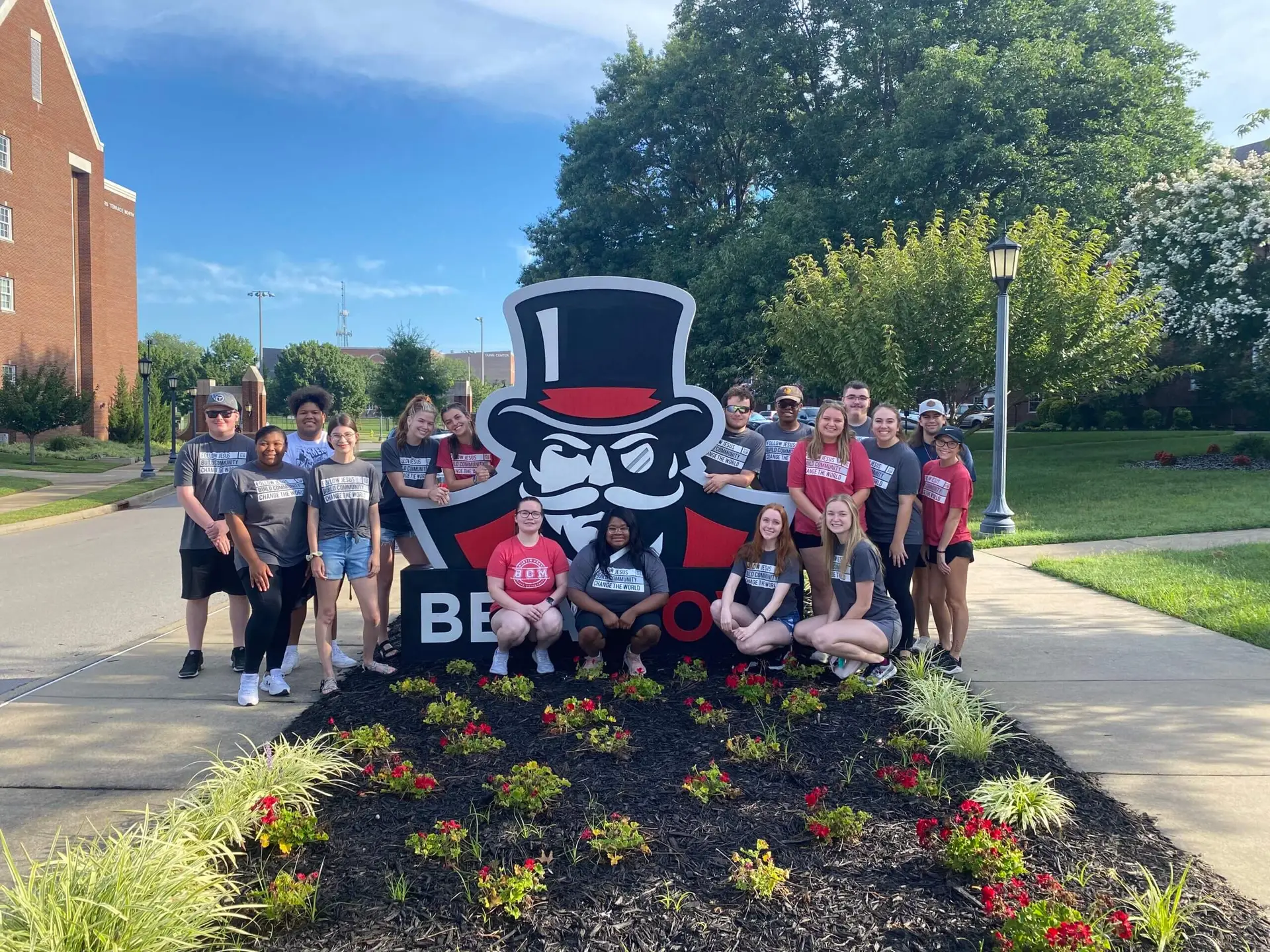
Although every campus is different in size and culture, these are general “key holders” to your campus that will positively impact your ability to build relationships across your campus. Even though our primary objection is to reach students through evangelism and discipleship, God has given us an entire campus community full of administrators, staff, faculty, and athletic coaches to invest in and live life on mission with. 

1. University President:

Meeting with the President of the school gives you a chance to hear their vision for the campus, as well as ways that you can get involved and support them. This also gives you a chance to share about your ministry, and how you hope to be a positive part of campus life. 

2. Counseling Center:

In a time where we are on the frontlines of assisting students with mental, emotional and spiritual health, this is so crucial. Who are the professional counselors on your campus? What services do they offer that you can be familiar with for students who may need help?

3. VP/Director of Student Affairs:

In most university structures this person is a major key holder or gateway person over student life and religious life. In many cases where our campus ministry is a registered student organization, we want to be good stewards of that in how we support our university as a student org. 

4. Greek Life Coordinator:

Building a relationship with this individual can be a big win in reaching and connecting to Greek organizations on campus. We’ve been able to help out during sorority recruitment by providing meals and snacks. 

5. Athletic Coaches:

This can be so helpful in reaching athletes and being able to minister to them in unique ways by providing meals or other kinds of support.

6. International Student Coordinator:

Who is the person on your campus responsible for international students coming to your university as exchange students, athletes, or even for an English learning program. You can partner with them in a variety of ways: helping them with airport pickups, providing needed items for students’ dorm rooms once they arrive, etc.  

7. Professors:

These are often the most underappreciated people on campus. Teach your students to love your professors. Find ways to support them and encourage them.

8. Other Campus Ministers:

Practice unity and learning from other campus ministers on your campus. Can you find a regular time to pray over the campus with them? What are ways you can encourage each other? 

This is not an exhaustive list, but it is a place to get started. Pray for these leaders and pray for ways to meet them and serve them!

Stacy Murphree is a Collegiate Ministry Specialist at  Austin Peay State University in Tennessee. You can follow the ministry on Instagram @austinpeaybcm.

This information was shared during a New Minister Call, which is a monthly Zoom meeting for Campus ministers who have been serving for 3 years or less, either for the first time or at a new campus. Our next call is Wednesday, February 21 and the topic is Infusing Fun: Building Fun and Community in Your Campus Ministry. Sign up here to join! https://forms.gle/DgMim52LfDwwMwFt7

Reaching Commuter Students

About a year ago, I transitioned to the University of Memphis and one of the first things I learned was how different ministry dynamics can be on a large commuter campus. A commuter campus is simply one where most students live at home or in an off-campus apartment and commute to their classes daily. Even though some students live on campus, most students drive to school from their houses every day to attend class and are working jobs off campus as well. 

Reaching commuter students can really seem like a daunting task, but I have learned that it is not an impossible one. It just takes some strategic planning, passion, and a good perspective on knowing your campus. It is important to remember that commuter students are just as important as anyone else and need the hope of Christ that we have to offer them just as much as any other student. At the end of the day, these students really do desire to be involved, even if their schedules seem busier and less flexible. 

Commuter students’ schedules look very different from those at a campus where the majority of students live on campus so methods to reach them must be different and creative as well. Here are a few tips to keep in mind and encourage you as you reach commuter students: 

1. Understand their schedules are different. 

Many of these commuter students are still living at home, but often they are working at least one job, sometimes two. They are trying to balance school, work, relationships, community, and other extracurricular things they are involved in. Commuter students are often only on campus for a short period of time before they need to head to the next thing. They have a lot going on and balance is sometimes a struggle for them. Many students say to me, “I want to participate and be involved, but I just don’t know if I can commit at the moment.” I really do believe they want to be involved, but sometimes they just don’t know how to balance all of their responsibilities. As a campus ministry, we can come alongside them and help them as they make this transition, form community, and balance work and college life. 

2. Commuter students still need community. 

Not only do commuter students still desire community just like any other college student, but many of them desire mentorship and discipleship as well. We recently sent out a google form to new students that would be attending University of Memphis in the Fall. Most students who completed the form lived right in our area and would be commuting to campus. However, many of their prayer requests were the same as any other college student. Prayers for a smooth transition to college and to find good community. Even though they are local, these students are still in transition and need help navigating a new normal due to how different life looks after high school. They need community just as much as students living on campus or coming from other areas. 

3. Be strategic in reaching commuter students.

Because we have a limited amount of time with these students, we must think through strategic ways and times to reach them. When it comes to outreach events on campus, we must determine if there is a specific day of the week that commuter students are there, what times they are there, and where they enjoy hanging out and studying in between classes. This helps us to be intentional during the time they are actually on campus. We can plan the best outreach event, but if we do it at a time that is not strategic, then we miss opportunities to connect! We have also made changes that were needed to reach the greatest number of commuter students. We recently moved our weekly worship service up by an hour and have also started providing a meal before the large group worship time. Many of our commuter students benefit from this transition because they do not have to wait around on campus as long to participate, and if they are coming from work, they do not have to worry about grabbing dinner on their own before a BCM event. 

Also, if you have the privilege of having a ministry building or space on campus, use that strategically to reach commuter students. Our building daily provides commuter students with a place to study, good community or games – and a free cup of coffee helps too! 

There are so many different creative ideas for reaching commuter students depending on the culture of your campus. It just takes planning, intentionality, and knowing and researching your campus culture. We have seen the Lord at work in our commuter students, and it has been a true joy to be a part of. The task can be overwhelming, but it is worth it! 

Ashlyn Trice is the Associate BCM Director at the University of Memphis. You can follow her on Instagram @ashlyntrice and the ministry @uofmbcm.